My first night in France, I sat in the kitchen talking to my host father, who cooked dinner while listening to the radio. He told me that he usually prefers talk radio (radio hosts were on strike at the time) and then made a joke about Donald Trump (which I didn’t quite catch but laughed along). Over the time I spent with my host family, talking to my teachers and the students in my classes, it became clear to me that the French news cycle is not nearly as limited as the American news is–either that, or the French put a lot more effort into following world news.
One of the biggest moments that impressed on me the global mindset of my host parents was a dinner party they hosted the night before the program’s Dijon trip. My host mom had lead a workshop that week and invited a number of guests over for dinner on Friday: a young girl from China, two men who worked together in America but were born in Europe, and an Italian woman. English was set to be the language of the evening as it was the only one everyone knew, but sometimes my host parents and I would speak in French or my host father would speak in Italian to their guest. At one point everyone began talking about the European Union and the political climate in Italy and comparing it to the US and I was just speechless. Mainly because I knew next to nothing to contribute to the conversation, but also at how well versed the group was in world news and politics.
It seemed to me that the French–and Europeans in general–have a much more worldly view than the average American. Living in Europe and being part of the European Union of course brings together many countries and perhaps gives the citizens of the EU a sense of belonging to something bigger than their country. Geographic location may also contribute to this mindset, where one can travel to any of the 43 other European countries within a couple hours.
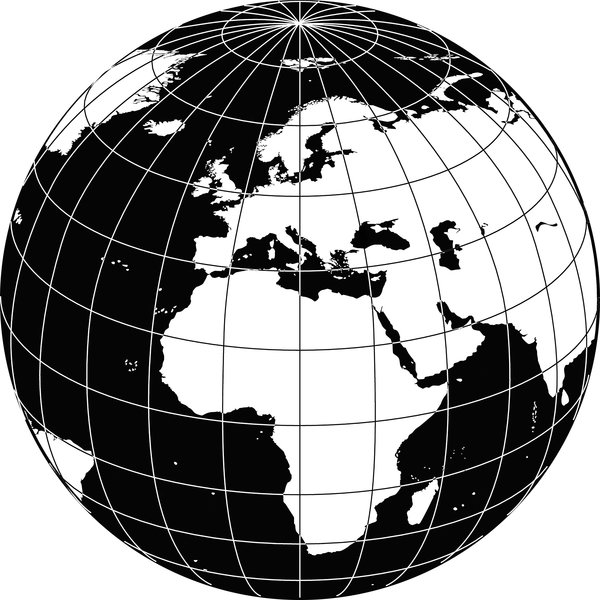
Additionally, we learned about the development of France in culture class and how many French citizens have backgrounds or ties in other countries in Europe or Africa, though they often leave those cultures behind in order to assimilate into French culture. The international origins of the French population most likely contributes to the way they pay attention to other countries.
In America, one might not often hear about what’s happening in other countries unless it directly affects our country, or is some extraordinary occurrence. Mainstream news sites are unlikely to devote entire sections to routine elections in European countries, or even our neighbors Canada and Mexico. While French papers may not cover every foreign election, they highlight major elections, even running entire sections, like Le Monde’s section on the current U.S. primary.
Overall, the French seem to have a tendency to look outside themselves and their country, with a global mindset that allows them to think past France, unlike the American bubble.
 Julianna Hill